


On Aug. 6, the Michigan Milk Producers Association and Canadian Dairy Distillery broke ground on a 2.2-million-gallon-per-year ethanol plant that is designed to turn a dairy byproduct into low carbon fuel.

The USDA on Aug. 16 awarded $90.3 million in Higher Blends Infrastructure Incentive Program grants to 89 projects in 26 states. The investments will help business owners install and upgrade fueling infrastructure.

The Federal Aviation Administration on Aug. 16 awarded $244.5 million to 22 projects that produce, transport, blend or store sustainable aviation fuel (SAF) and for scoping studies related to SAF infrastructure needs.

More than 2.24 billion RINs were generated under the RFS in July, up from 1.99 billion generated during the same period of last year. Total RIN generation for the first seven months of 2024 reached 14.42 billion.
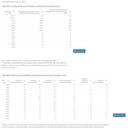
The U.S. EPA on Aug. 15 released updated SRE data, reporting that two new SRE petitions were filed under the RFS during the past month. A total of 48 SRE petitions are now pending, up from 46 that were pending as of mid-July.
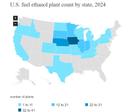
The U.S. was home to 187 ethanol plants with a combined capacity of more than 18.01 billion gallons as of the end of 2023, according to data released by the U.S. Energy Information Administration on Aug. 15.

The American Coalition for Ethanol 37th annual conference kicked off in Omaha on Aug. 15 with remarks from U.S. Department of Agriculture Secretary Tom Vilsack, as well as updates from the organization’s leadership.
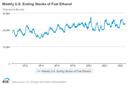
U.S. fuel ethanol production was up slightly the week ending Aug. 9, according to data released by the U.S. Energy Information Administration on Aug. 14. Stocks of fuel ethanol were down nearly 2% and exports were down more than 66%.

The California Air Resources Board on Aug. 12 published a notice outlining modifications to its proposed LCFS amendments, including those related annual carbon intensity (CI) targets, biomass-based diesel feedstocks, and SAF.

The South Dakota Governor’s Office of Economic Development is reminding fuel retailers to apply for the Ethanol Blender Pump Grant before the Aug. 31 deadline. Applications will be accepted on a first-come, first-served basis.

The Surface Transportation Board is seeking nominees to fill five vacancies on its Rail Energy Transportation Advisory Committee. One vacancy is to be filled by a biofuel producer or feedstock grower.

Gevo Inc. on Aug. 8 reported that the U.S. Department of Energy loan guarantee process for its proposed Net-Zero 1 ATJ project is progressing as expected. CEO Patrick Gruber said the company expects to close project financing by the end of 2024.

The 2024 North American SAF Conference & Expo will consist of panels that describe the newest developments in the SAF Industry. Topics such as biofuel crops, federal policies, the increase of SAF usage worldwide, and more will be presented.

Experts in the fields of biomass and agricultural economics are setting the record straight on the environmental benefits of biofuels and the Renewable Fuel Standard.

The September issues of Ethanol Producer Magazine looks at how various process and energy center enhancements—bolt-on tech, retrofits and replacements—can help producers lower their carbon intensity (CI) scores.

The USDA maintained its forecast for 2024-’25 corn use in ethanol production in WASDE report, released Aug. 12. The agency increased its forecast for corn production and revised down its outlook for corn prices.
U.S. corn production for 2024 is currently forecast at 15.1 billion bushels, down 1% from last year, according to the Crop Production report issued by the USDA’s National Agricultural Statistics Service on Aug. 12.

Reps. Mike Flood, R-Neb., and Troy A Carter, Sr., D-La., on Aug. 9 introduced the Sustainable Aviation Fuel (SAF) Information Act. The bill directs the U.S. Energy Information Administration to include SAF data in its weekly and monthly reports.
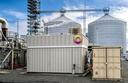
Although ethanol producers are looking ahead to carbon capture and storage as the predominant means of lowering their carbon intensity scores, measures such as energy storage, CHP and electrification can have a substantial impact on CI scores now.

Lifecycle assessment (LCA) is a rigorous, scientific and equitable method for evaluating carbon emissions across the entire value chain that is embedded in both the Canadian Clean Fuel Regulations and the U.S. Inflation Reduction Act.
Alto Ingredients Inc. on Aug. 6 reported that Q2 earnings were negatively impacted by repair and maintenance shutdowns and lower coproduct pricing. Margins began to improve in July and the company expects to deliver solid results in Q3.

The Nebraska Corn Board is now accepting applications for its Blender Pump Grant Program, which aims to support the expansion of higher ethanol blends, including E15, E30 and E85. The deadline to apply is Sept. 27.

The delegates of the U.S. Grains Council elected Verity Ulibarri of the United Sorghum Checkoff Program as chairwoman of its USGC Board of Directors at its 64th Annual Board of Delegates Meeting held in Salt Lake City, Utah, on July 31.
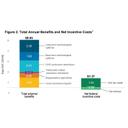
Gevo Inc. on Aug. 9 released a new report by Charles River Associates demonstrating the benefits of sustainable aviation fuel (SAF) production, including at Gevo’s planned Net-Zero 1 (NZ1) alcohol-to-jet (ATJ) SAF facility in South Dakota.
DCO Turned Diesel Additive

August 09, 2024
A simple process offers corn ethanol producers a low-cost opportunity to enhance the value of their distillers corn oil right at the plant.

Nexus PMG has invested in Saola Energy, making a bold entrance into ethanol production by coupling its unique finance offerings with the capabilities of a proven project development firm.

The U.S. exported 145.87 million gallons of ethanol and 645,592 metric tons of distillers grains in June, according to data released by the USDA FAS on Aug. 6. Exports of both products were up when compared to June 2023.

The U.S. Energy Information Administration maintained its forecasts for 2024 and 2025 fuel ethanol production in its latest Short-Term Energy Outlook, released on Aug. 6. The outlook for fuel ethanol blending was also unchanged.

The RFA has welcomed Enerflex Ltd. and Skyven Technologies as its newest associate members. These companies share RFA's dedication to promoting sustainable energy solutions and fostering the growth of the renewable fuels industry.

From an idea in the lab to a commercial product now approved by the EPA, ethanol-based blendstocks for drop-in fuels have arrived.
Advertisement

@ Copyright 2026 - BBI International - All rights reserved.