


The U.S. EPA on Oct. 29 announced it will reopen a comment period related to a proposed extension of an information collection request (ICR) focused on provisions regarding biointermediates under the Renewable Fuel Standard.

UNICA, the Brazilian sugarcane industry association, has announced sugarcane processing was up during the second half of September. Total ethanol production has continued to trend down from last year, but corn ethanol production is up.

The U.S. Energy Information Administration is proposing to update current disclosure rules for biofuel feedstock consumption as part of a proposed three-year extension of its Petroleum Supply Reporting System.
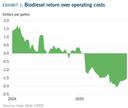
CoBank on Oct. 15 released its latest quarterly insights report, predicting the U.S. EPA will likely delay final action on its proposed Renewable Fuel Standard RVOs and small refinery exemption (SRE) reallocation proposals until early 2026.
UNICA, the Brazilian sugarcane industry association, has announced sugarcane processing was up during the first half of September. Domestic ethanol sales and export sales were also up significantly during the two-week period.
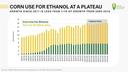
Increasing use of ethanol supports a higher market price for corn and energy stability for Americans. As a financial crisis looms, farmers need market-driven demand at a price that returns value to the farm, according to NCGA.

Scientists at ORNL conducted a meticulous analysis of the compounds released by plant roots into their surrounding environment. The analysis yielded an abundance of data that can guide research aiming to improve the way we grow energy and food crops.

A team of agricultural economists, environmental scientists and policy experts envisions a path toward a carbon-neutral agricultural future by expanding the reach of policies designed to promote low-carbon biofuels for transportation and aviation.
Using first-generation agricultural biomass to produce biobased energy and materials in Europe results in important benefits for food security, biodiversity, agriculture and climate-change mitigation, according to a new expert paper.

Sen. Deb Fischer, R-Neb., on Oct. 6 called on President Trump and federal lawmakers to revitalize the farm economy by enacting the Nationwide Consumer and Fuel Retailer Choice Act, a bill that would enable year-round sales of E15.

A bipartisan group of lawmakers on Sept. 30 sent a letter to the U.S. EPA urging the agency to maintained proposed biomass-based diesel RVOs and move forward with plans to boost the domestic ag industry in its upcoming RFS “Set 2” rule.

The USDA’s Commodity Credit Corp. on Sept. 26 announced it does not expect to purchase and sell sugar under the Feedstock Flexibility Program for crop year 2024, which runs from Oct. 1, 2024, to Sept. 30, 2025.

The sustainable aviation fuel (SAF) industry’s biggest players gathered at the North American SAF Conference and Expo in Minneapolis on Sept. 22-24 to confront the sector’s steep challenges and chart its path forward.

Old crop corn stocks on hand as of Sept. 1, 2025, were at 4.53 billion bushels, down 13% when compared to the same time last year, according to the USDA NASS’s latest quarterly Grain Stocks report, released Sept. 30.
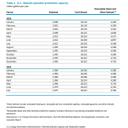
Total operable U.S. biofuel production capacity fell slightly in July, with declines for biodiesel and renewable diesel. Ethanol capacity was up slightly and total feedstock consumption was up 2% when compared to June.

The USDA recently released its Grain Crushings and Co-Products Production report for September, reporting that corn use for fuel ethanol production in July was down approximately 6% when compared to the same month of last year.

An overwhelming majority of corn growers from across the United States say that the nation’s farm economy is possibly already in a crisis or on the brink of one, according to a new survey released Sept. 17 by the NCGA.

The International Air Transport Association, in partnership with Worley Consulting, has published a study demonstrating that sufficient SAF feedstock exists to enable the airline industry to achieve net zero CO2 emissions by 2050.
UNICA, the Brazilian sugarcane industry association, has announced sugarcane processing was up during the second half of August. Total ethanol production remains lower than last year, but corn ethanol production continues to trend higher.

The Sept. 12 crop report from the USDA confirmed that farmers are expected to harvest a record corn crop of 16.8 billion bushels (an increase over August's estimate) and prices are projected to fall to six-year lows.
The USDA maintained its 2025-’26 outlook for corn use in ethanol in its latest World Agricultural Supply and Demand Estimates report, released Sept. 12. The estimate for 2024-’25 corn use in ethanol was revised down.

The USDA increased its forecast for 2025 corn production to 16.8 billion bushels in its latest Crop Production report, released Sept. 12. If realized, this would be the highest gain production on record for the U.S.

As the enhanced 45Z tax credit rolls out excluding non-USMCA fuels and feedstocks, the EPA is proposing a similar RIN value advantage for U.S.-made—and sourced—biofuels.

The U.S. Department of Energy on Aug. 29 awarded funding to two SAF research projects, including a project that aims produce SAF from bio-derived methanol and a project that aims to use distillers grains with solubles (DGS) as a SAF feedstock.

More than 40 members of Congress on Sept. 9 sent a letter to U.S. EPA Administrator Lee Zeldin urging the agency to reduce proposed RFS RVOs for 2026 and 2027, block reallocation of SRE volumes, and scrap plans to boost domestic biofuel production.
UNICA, the Brazilian sugarcane industry association, has announced sugarcane processing trended higher during the first half of August. The production of sugarcane ethanol is down when compared to the previous harvest season.
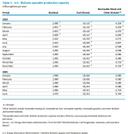
The U.S. EIA on Aug. 29 released data showing total U.S. operable biofuels capacity expanded slightly in June, with small gains for both ethanol and renewable diesel. Feedstock consumption was up when compared to the previous month.
The National Corn Growers Association in late August continued to raise alarm about the economic crisis hitting rural America, as commodity prices drop at a time when input costs remain at near-record highs.
The USDA recently released its Grain Crushings and Co-Products Production report for August, reporting that corn use for fuel alcohol production in June way up when compared to both the previous month and June 2024.

UNICA, the Brazilian sugarcane industry association, has released data showing ethanol sugarcane ethanol production was down during the second half of July. Corn ethanol production was up when compared to the same period of last year.
Advertisement

@ Copyright 2026 - BBI International - All rights reserved.