

June 2026




Featured

Carbon Concepts
By Lisa Gibson
Once relegated to food, beverage and dry ice markets, opportunities to monetize biogenic CO2 from ethanol plants are on the rise, and producers can take their pick.

Renewable Volume Obligations for 2026 and 2027 were finalized in March, with higher volumes than proposed in June 2025, and reallocation of 70% of small refinery exemptions.

Clean fuel regulations are in effect in The Land of Enchantment, offering carbon credits for ethanol and other low-carbon fuels.

Where The Supply Is
By Luke Geiver
A long-proposed California ethanol plant would source sugarcane from the surrounding area, one of several plants in the U.S. exploring alternatives to corn.

Assessing the Supply Chain
By Lisa Gibson
Two MRV providers have teamed up to offer full-service date collection and verification for 45Z and other market compliance programs.
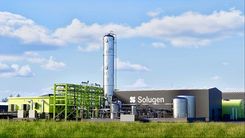
Prompting Profit and Sustainability
By Luke Geiver
New chemistry, advanced monitoring, AI and more dominate process water services among providers in 2026.
Contributions
How Veolia’s Spec-Aid BIO Cuts Costs and Complexity
Badger State Ethanol found collaboration with IFF critical in discovering solutions for DCO process problems.

Fluid Quip Technologies' experts break down the critical role engineering plays in reducing energy use.
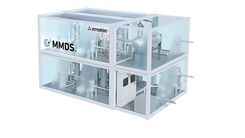
Emerging process technologies support reductions in energy use and carbon intensity across the ethanol production process.

For many producers, the value of the 45Z credit that can claim may depend on the use of energy attribute certificates (EACs), also commonly referred to as renewable energy certificates (RECs).

The Alcohol School: Education Evolved
By Lallemand Biofuels & Distilled Spirits
For more than 45 years, The Alcohol School has educated ethanol and distilled spirits plant staff of all levels and job descriptions on the technical details of their processes—an academic-level understanding of how a plant works.

The Future of Corn
By Charlie Brown
How High-Oil E+ Technology Is Transforming Agriculture and Energy.
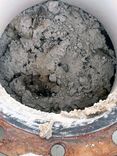
Across the ethanol industry, many dehydration units operate in a stable state, all the while quietly eroding profitability every single day.

@ Copyright 2026 - BBI International - All rights reserved.